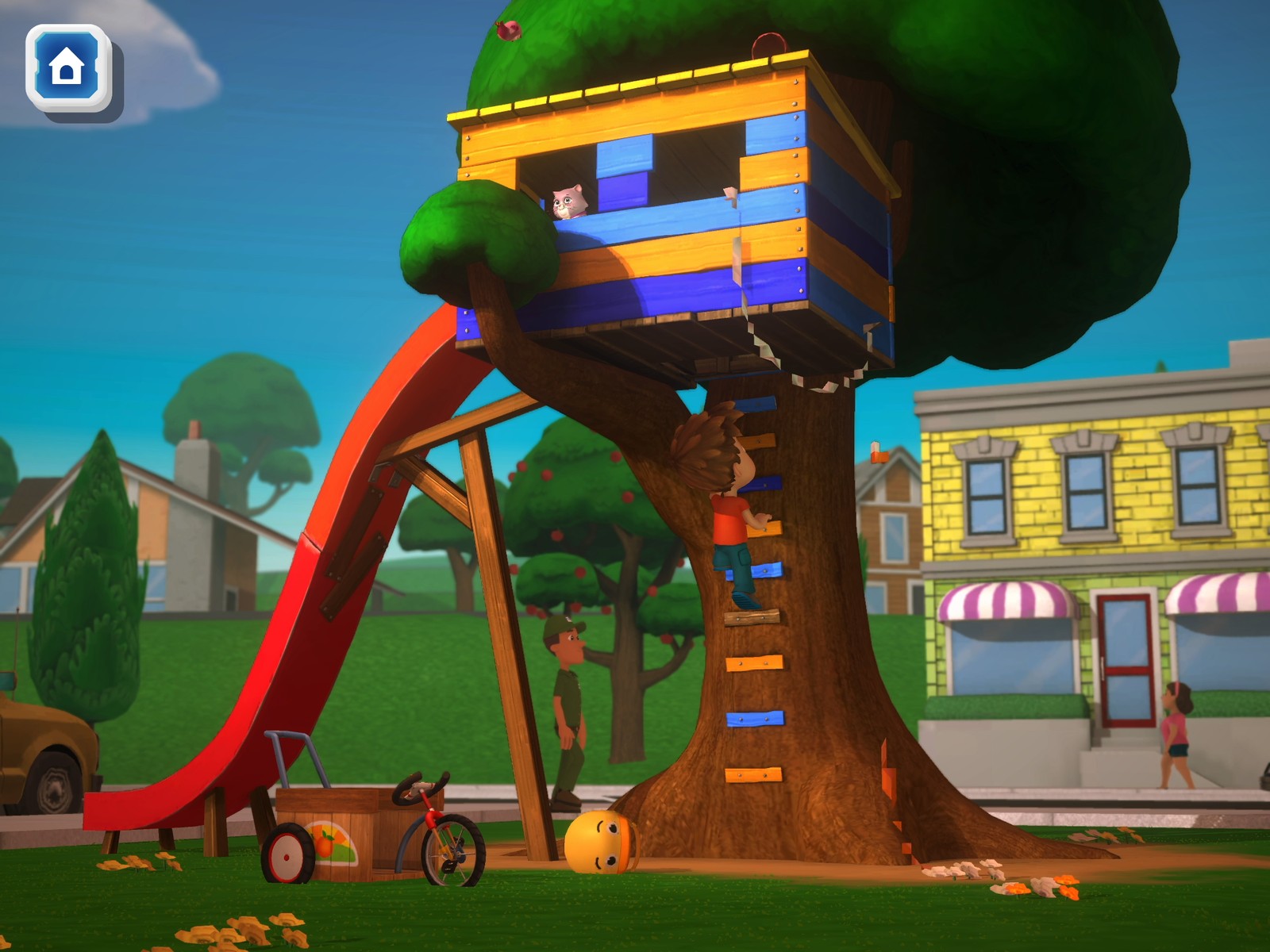
Alex's Treehouse
PAW Academy
Game Designer & Producer, Originator
Timeline: PAW Academy launched September 29, 2023; Alex's Treehouse released May 6, 2024, the first brand-new activity added to the app since launch
Platform: iOS/Android tablet
Audience: Primary: preschool and early-elementary children (ages 2 to 6). Secondary: parents.
Summary
- Pitched and designed the first brand-new activity added to PAW Academy since launch, a social-emotional learning (SEL) video activity, motivated directly by player reviews asking when Everest, a fan-favorite pup, would appear in the app.
- The original concept was an ambitious ski-mountain-themed activity built around Everest, with a chair-lift menu and an interactive downhill finale. Internal leadership cut scope to hit a tight post-launch timeline; Everest and the interactive finale were shelved for a future activity.
- Redesigned the feature from scratch as Alex's Treehouse: a leaner, passive-video SEL activity hosted by Alex Porter, a supporting character who idolizes the PAW Patrol, and his animal friends the Mini-Patrol, framed as Alex teaching the player how to be a hero. Reused established UI and content-delivery patterns to make the new timeline achievable.
- Shipped successfully. Despite launching as a brand-new, deliberately scoped-down character, Alex became the third most-tapped icon on the main menu, ahead of four already-established PAW Patrol pups.
Problem & Opportunity
In the months after PAW Academy launched, player reviews kept asking for Everest, one of the franchise's most popular pups, by name. Everything the team had shipped since launch in that stretch had been smaller-scope work: seasonal content, updates to existing activities like added coloring pages for Zuma's coloring activity, localization, and performance fixes, nothing that added a genuinely new activity to the app. Leadership wanted the next real swing to happen fast, and to give players an early win with a character they were already asking for.
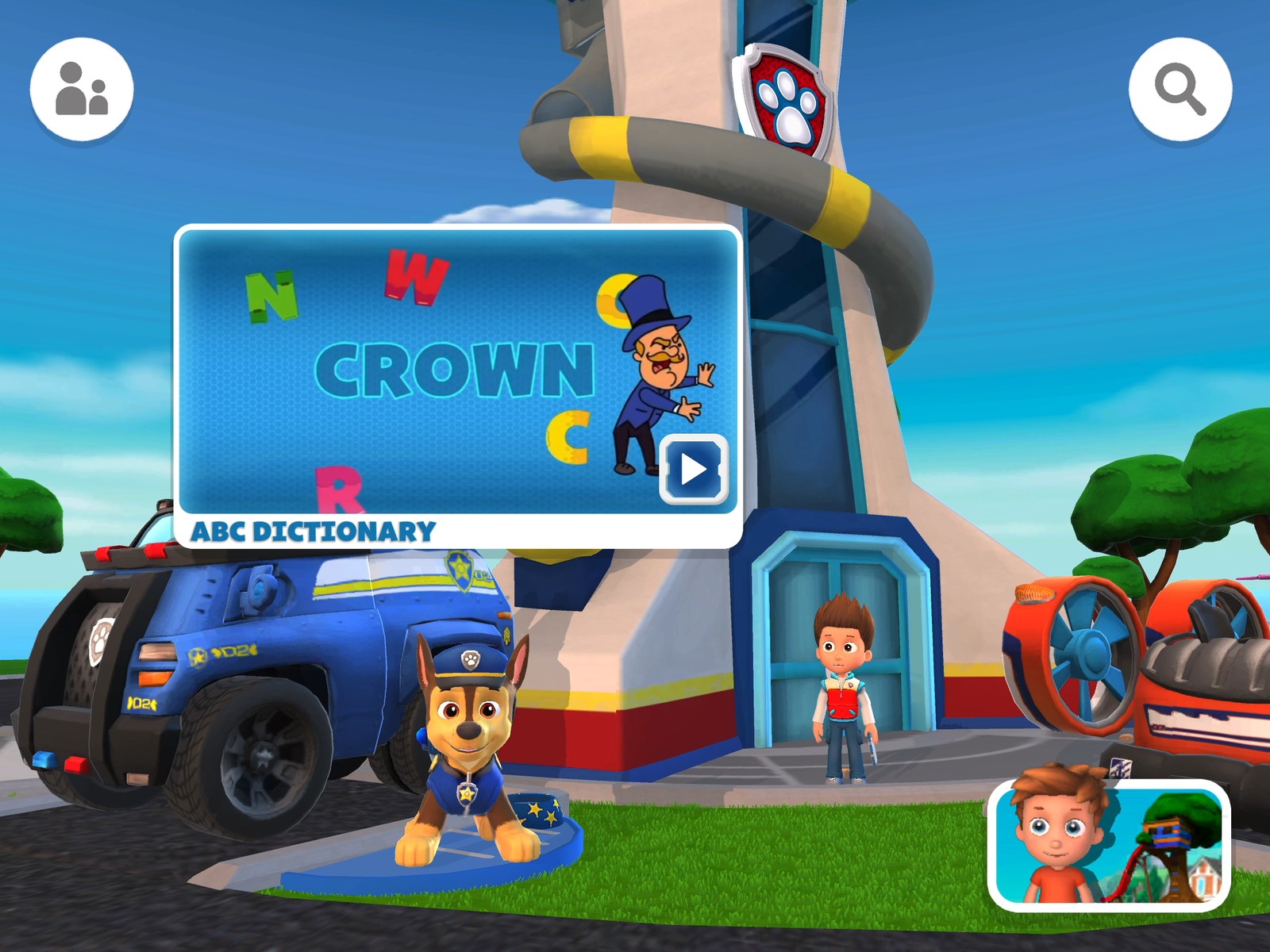
The Lookout menu, with Alex's Treehouse button live in the corner alongside the app's existing activities.
I pitched a full activity built around her: a themed ski-lift structure climbing a mountain, unlocking SEL lesson categories one chair lift at a time, and ending each lesson group in an interactive downhill finale (Big Air, Halfpipe, Snow Park) with its own trick-button controls and a full analytics spec.
The problem was straightforward once leadership reviewed it: an ambitious concept doesn't automatically fit a tight post-launch timeline. The feedback was that the surrounding theming (the mountain, the custom chair-lift menu) and the interactive finale added real production cost without being essential to the core educational goal, teaching SEL vocabulary through short videos.
Users & Research
The content itself is grounded in real early-childhood SEL research, not guesswork. Word candidates were brainstormed and mapped against actual competency frameworks (the category structure mirrors CASEL's core SEL competencies), citing an early-childhood mental health consultation resource, before narrowing to a final set of 18 words across three categories: Feelings & Mood, Self-Care, and Socio-Emotional skills.
The primary user is a preschool or early-elementary child; the secondary user is the parent, consistent with the rest of PAW Academy's audience split.
Constraints
- Timeline: this was meant to be the first brand-new activity added to PAW Academy since launch, and leadership wanted it out fast after months of smaller seasonal and content-update releases. Scope had to shrink to fit that window.
- Everest, the pup players were actually asking for, couldn't be done justice in a smaller-scope version, so she was deliberately saved for a future, fuller activity rather than shipped in a diminished role.
- Whatever shipped had to reuse existing systems rather than build new tech: the game's existing live-ops content-delivery system (the same in-game gift mechanism already used for ABC, Music, and Coloring), and a thumbnail-grid navigation pattern already built for Chase's ABC Dictionary activity.
- Content had to work as passive, single-sitting viewing for kids who might drop in and out mid-lesson; no chair-lift or slope mechanics survived the cut.
Process
The original pitch (Everest Activity). Themed around a ski mountain, with a chair-lift menu sorting three lesson categories and 18 word lessons total. Each lesson group ended in an interactive downhill finale with trick buttons and quick-time events, and the whole feature had its own Mixpanel analytics plan spec'd out alongside it.
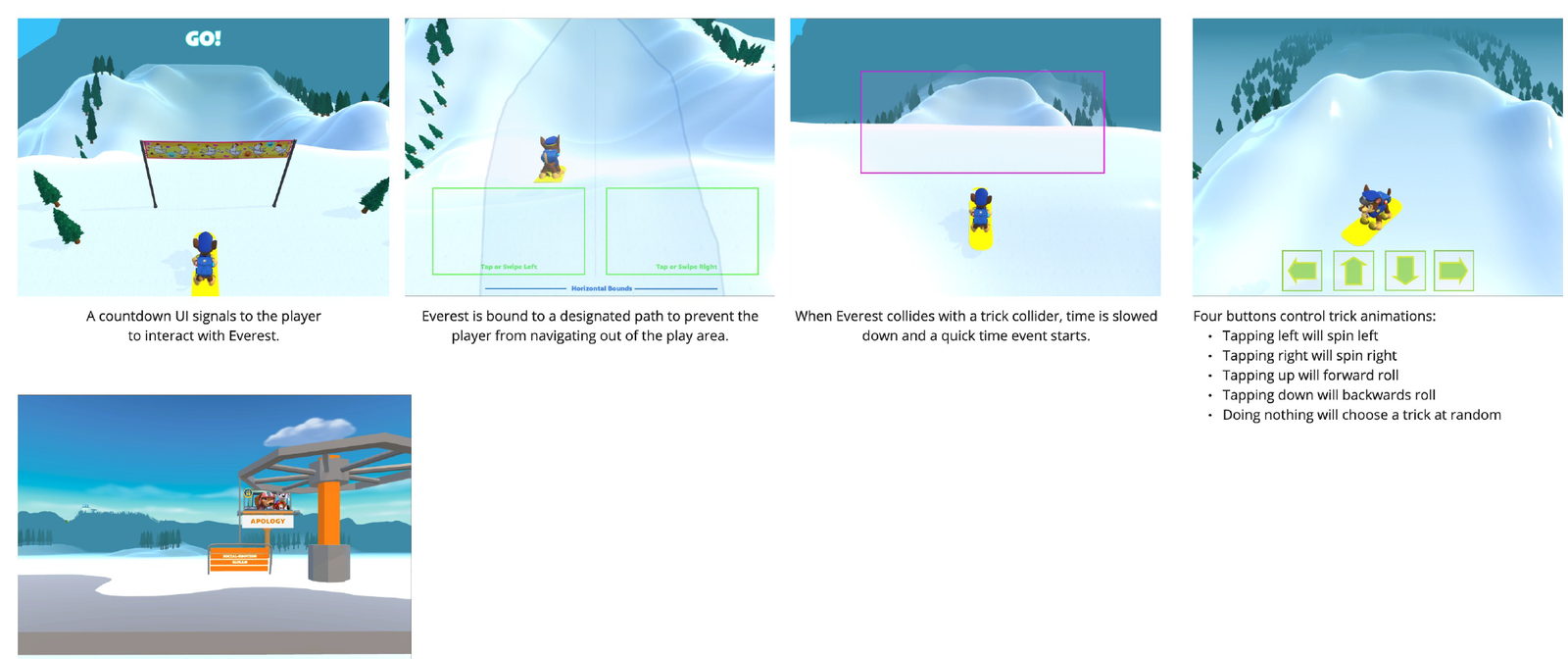
Early design work on the Everest Activity's interactive finale: a countdown to start, a bounded path to keep Everest on course, quick-time events triggered by trick colliders, and four buttons mapped to trick animations.
Leadership's call. Cut the mountain theming and the interactive finale specifically, keep the educational core (short vocabulary videos built the same way). This wasn't a wholesale rejection of the concept, it was a scoping call under a real deadline.
The redesign (Alex's Treehouse). I swapped Everest for Alex Porter, an already-established supporting character who idolizes the PAW Patrol, and reframed the setting as his treehouse, where Alex and his animal friends (the Mini-Patrol) teach the player how to be a hero. The custom chair-lift UI became the same thumbnail-grid pattern already built for Chase's ABC Dictionary.
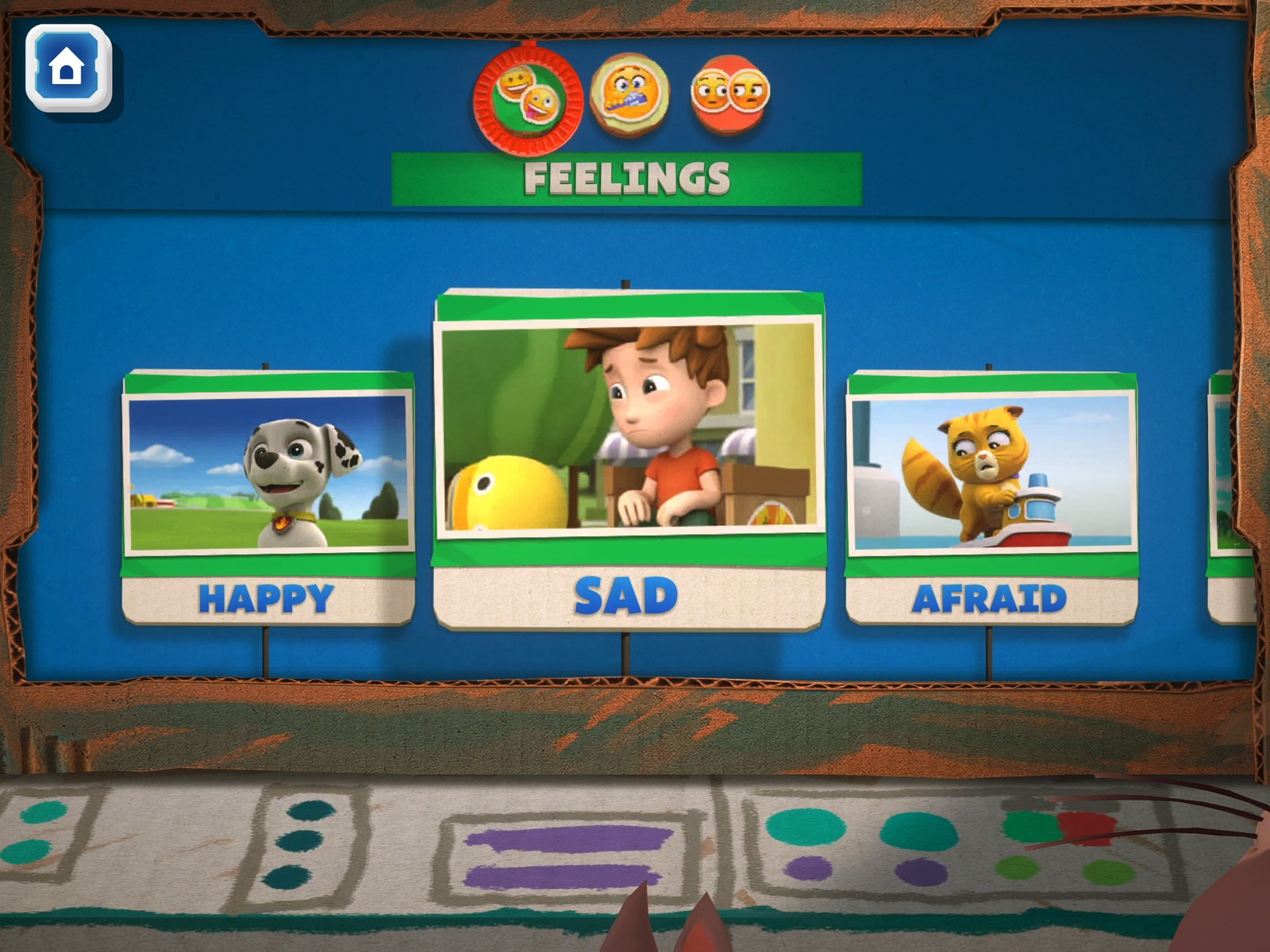
The redesigned thumbnail grid, reusing the same navigation pattern already built for Chase's ABC Dictionary.
The word-video formula stayed intact: a definition intro, three short clips built from real PAW Patrol episode footage (re-voiced for the lesson), and a closing sentence read aloud with the target word highlighted as it's spoken, animated with full lip-sync on Alex so the outro line landed with a more polished, higher-fidelity look than the rest of the passive-video sequence.
I also added two production-cheap touches that punched above their weight: an MST3K-style interstitial where a Mini-Patrol character physically pokes into the word card mid-transition, and a tap-and-hold mechanic that spells out the target word letter by letter as the child taps and holds on the screen during a video (tap once and hold for the S's to appear, again for the A's, and so on until the word is spelled).
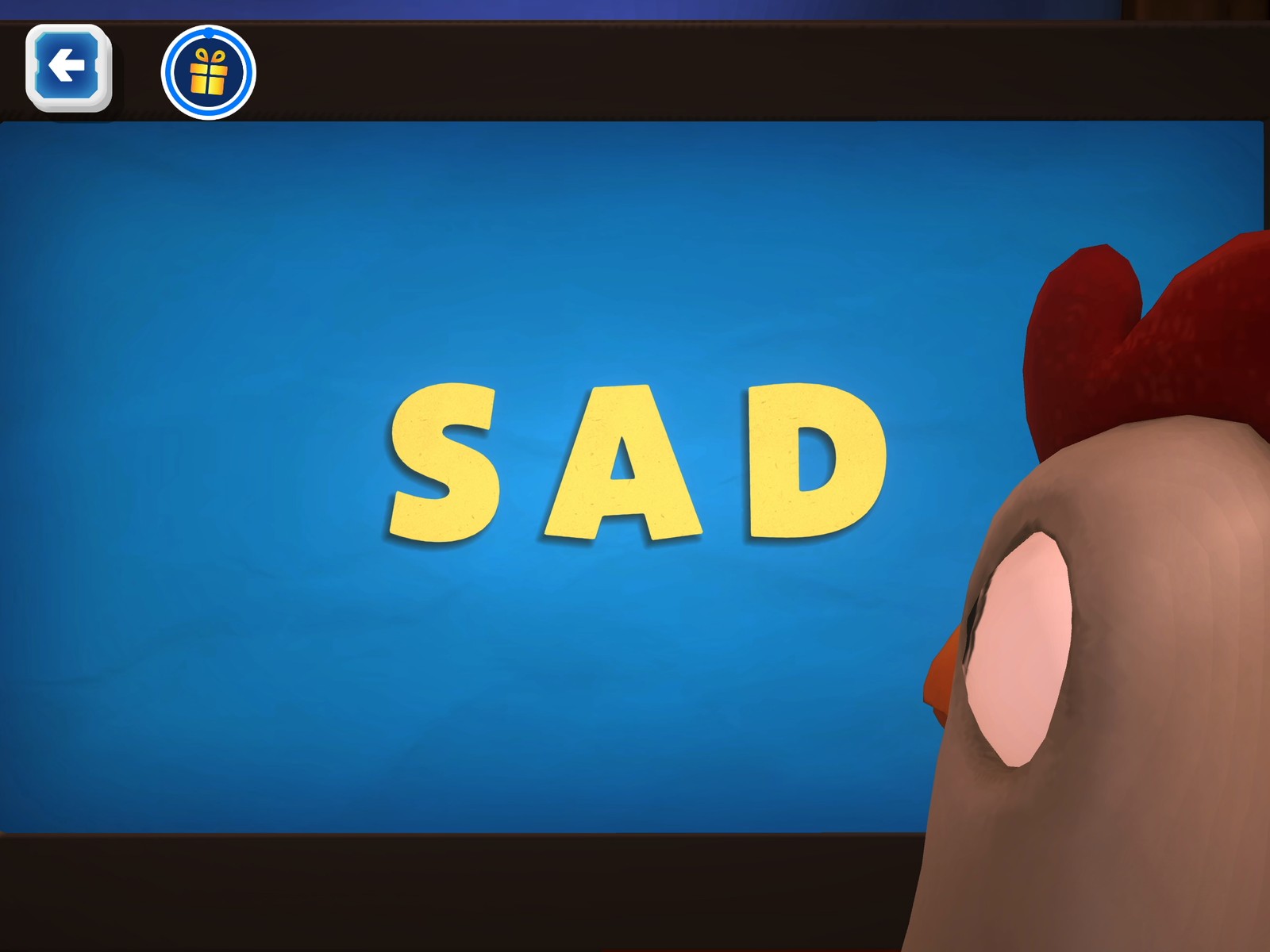
A Mini-Patrol friend physically pokes into the word card, an MST3K-style gag that cost little to build.
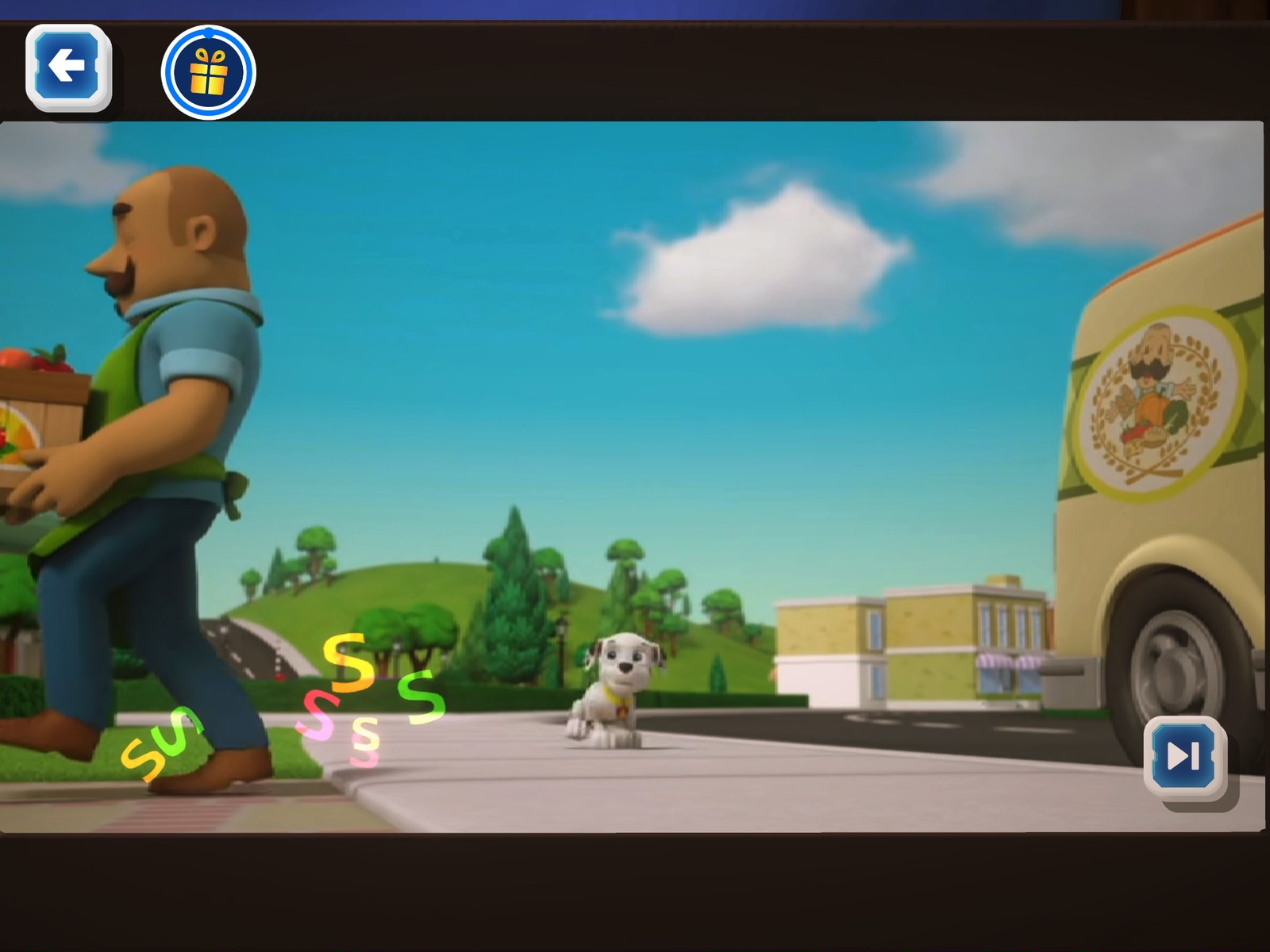
Tap and hold during a clip, and the target word's letters spell themselves out one at a time.
Every one of those choices reused something the team already had: an existing character, an existing UI pattern, an existing content pipeline. That's what actually made the tighter timeline achievable, not just cutting content, but cutting the parts that required new production work.
Final Design
The shipped flow: main menu, tap Alex's button, a Mini-Patrol badge loading wipe, a short cinematic of Alex climbing into his treehouse, the thumbnail category menu (color-coded by Feelings & Mood, Self-Care, and Socio-Emotional), a word title card, a three-video lesson with the interstitial gags and the tap-to-spell mechanic woven in, and Alex's closing explanation before returning to the menu.
Here's the transition from the main menu into the Treehouse:
A Mini-Patrol badge wipe plays while the activity loads.
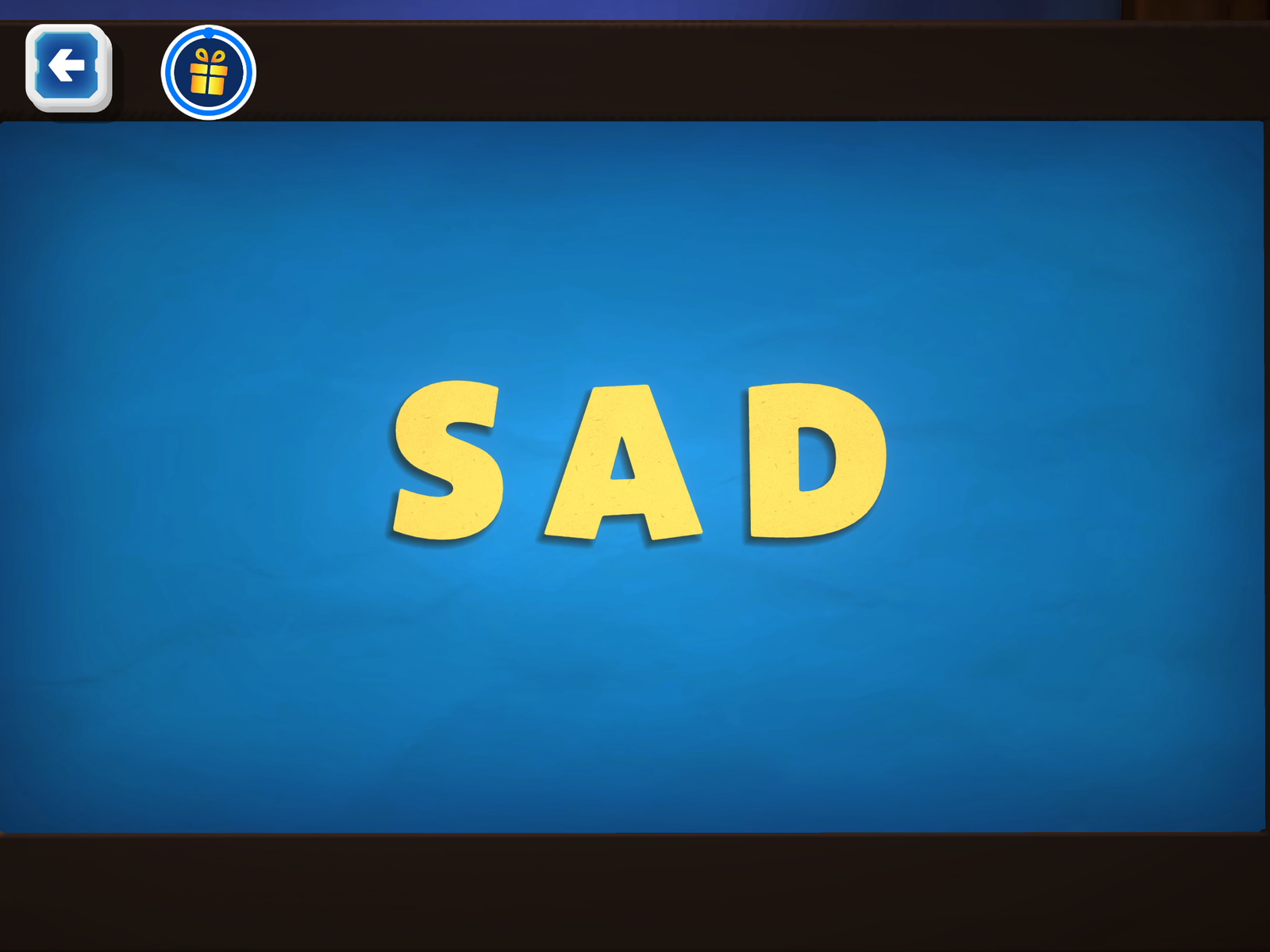
Each word gets its own title card before the video sequence begins.
And here's a full lesson, start to finish:
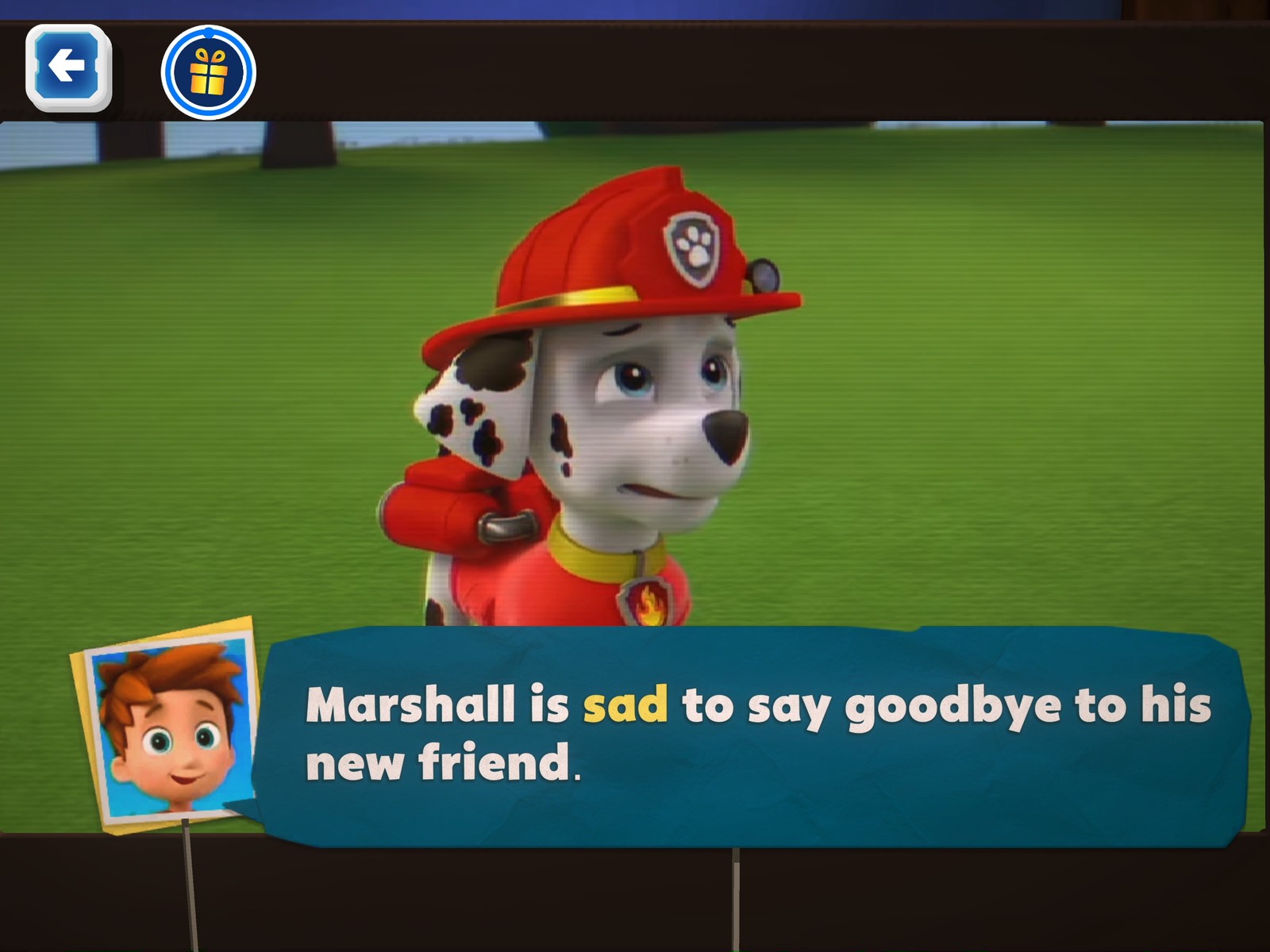
Alex reads the closing sentence aloud, with the target word highlighted as it's spoken.
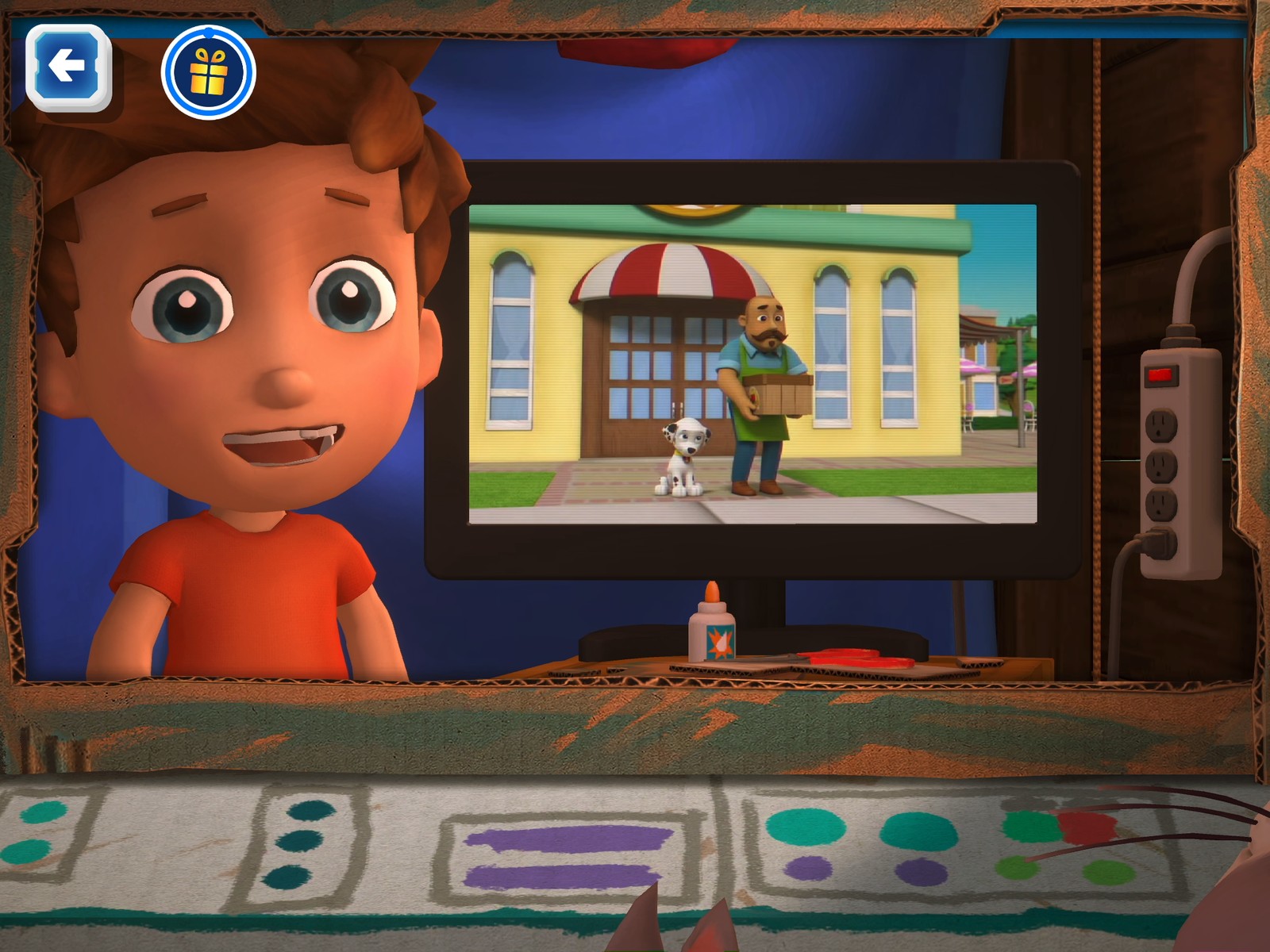
Alex delivers his closing explanation from inside the treehouse set.
Outcome & Impact
There's no single splashy completion percentage to lead with here the way there was on the FTUE case study, but the usage data tells a real story:
- Reach relative to established content: Alex is the third most-tapped icon on the main menu, averaging roughly 40 taps in the tracked period, behind only Zuma and Chase (both established since launch), and ahead of four other established pups. A brand-new, deliberately scoped-down character out-performed content that had been in the app since day one.
- Completion funnel: roughly 245,000 unique users played at least one lesson in the trailing 12 months; roughly 160,000 completed at least one, meaning the majority of engaged users carried a lesson through to Alex's closing explanation.
- Session behavior: usage is bimodal. Most sessions end after exactly one completed lesson, but there's a real secondary cluster of highly engaged sessions completing four or more lessons at once.
- Content popularity and library growth: "Happy" is by far the most-watched lesson. The content library has grown well past its original 18 launch words, 36 or more distinct videos are now tracked, confirming the live-ops content-delivery plan actually played out after launch, as planned.
- Age-based engagement: Treehouse is the second-strongest activity of seven (behind only Coloring) for 6-year-olds, but falls to near the bottom of the stack for 4- and 5-year-olds.
Lessons Learned
The real skill this project tested wasn't generating the big idea, it was knowing what to protect and what to cut when a deadline collapses the original plan. Saving Everest for a future, fuller activity rather than shipping a diminished version of her was the right call, and reusing existing UI and content systems instead of defending my original vision is what actually made the new deadline achievable.
“Knowing what to protect and what to cut”
The age-engagement data points at something worth revisiting: passive video content resonates more with the older end of this app's age range, while younger kids in the 4-5 range engage more with hands-on activities like Coloring or Spelling. If I revisited this activity, I'd look at reintroducing a small interactive beat aimed at that middle age range, without pulling back in all the scope that got cut the first time.